
Introducing the Five Elements
Understanding Wood, Fire, Earth, Metal, and Water
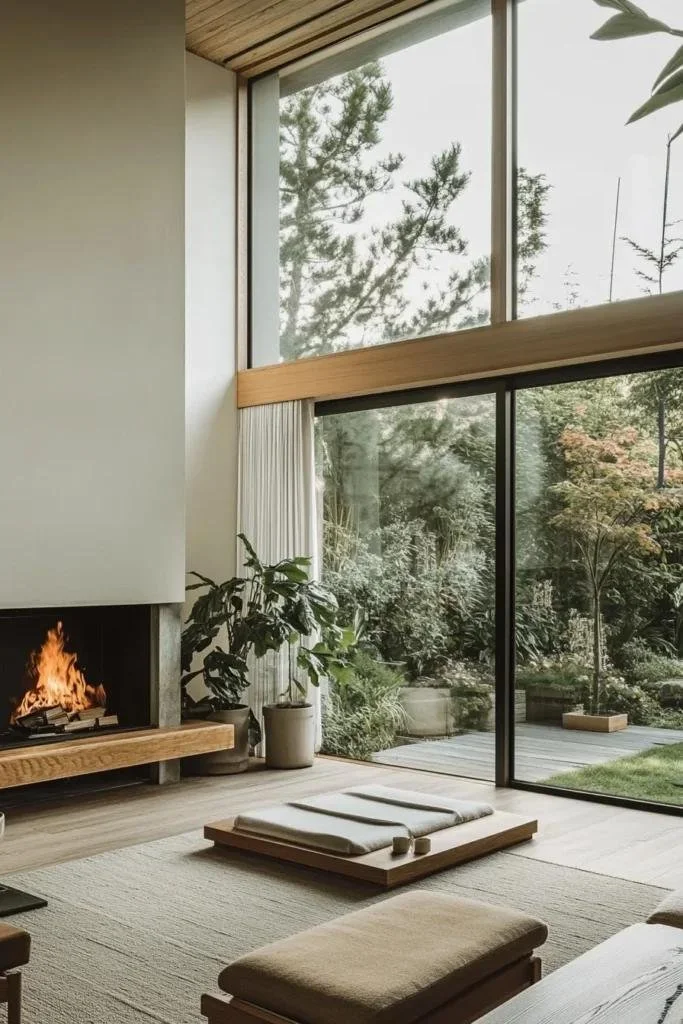
We see the qualities of nature reflected everywhere.
A tree reaches upward and outward. Fire expands and radiates. Earth receives and nourishes. Metal gathers, defines, and refines. Water flows, settles, and gathers depth.
These same qualities can be experienced in our bodies, our lives, and the spaces around us.
The Five Elements are rooted in ancient Chinese philosophy and are part of a larger way of understanding the natural world and the forces that shape our lives. They appear across Chinese philosophical traditions and traditional Chinese medicine, and form one of the foundations of feng shui.
The Five Elements give us a way to recognize these qualities and understand how they shape the environments we inhabit.
Each element has its own character and qualities. In feng shui, these qualities give us practical ways to recognize and bring elemental energy into a space.
Wood: Growth & Direction
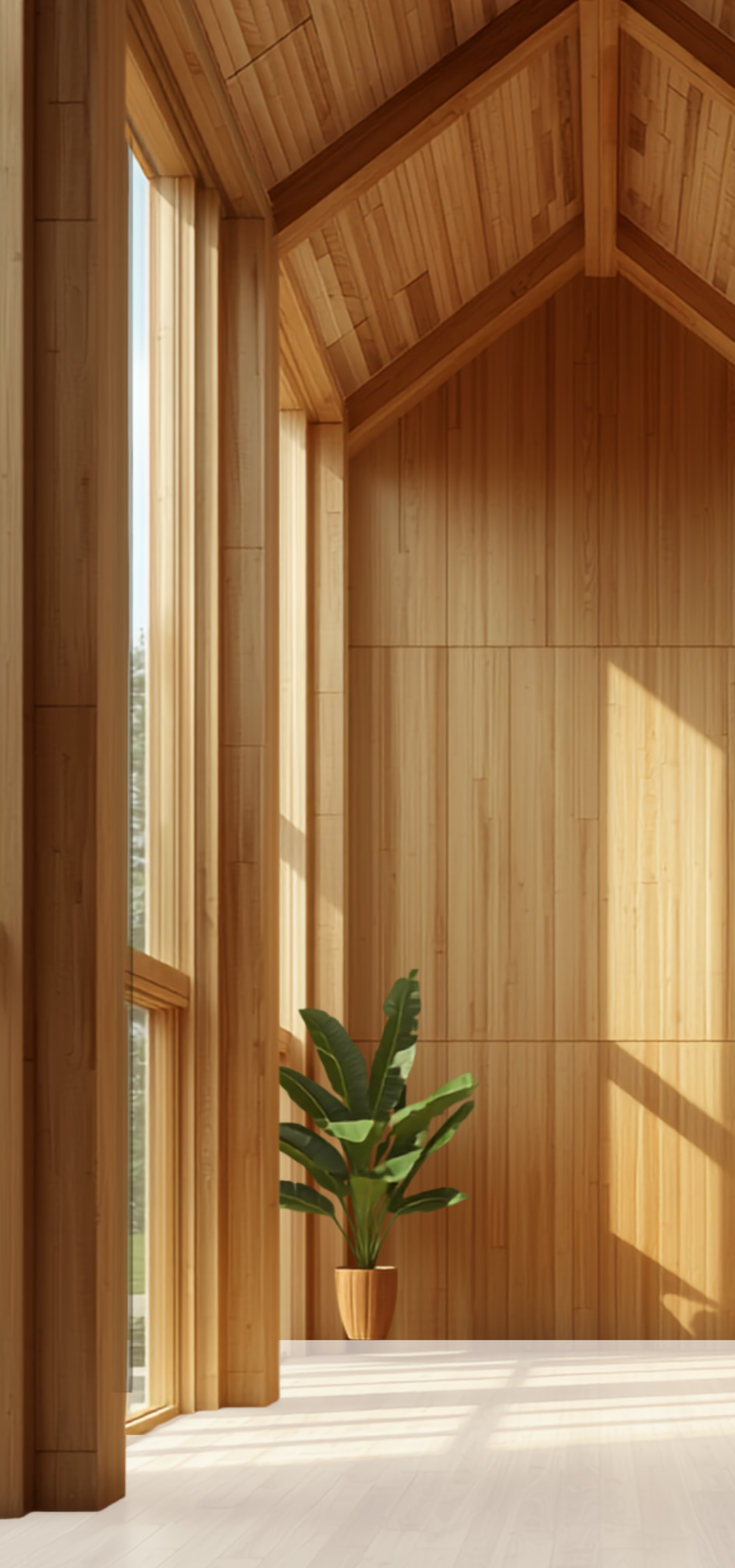
Wood is the quality of growth, movement, vision, flexibility, and initiative.
In a space, Wood is expressed through greens and blues, vertical and columnar forms, and natural materials associated with growth. Plants, wood, bamboo, floral patterns, stripes, columns, beams, and tall furnishings can all bring Wood into a space.
Wood creates a feeling of upward movement, vitality, growth, and possibility.
Wood is associated with spring, the East, and the sense of sight. Traditionally, it corresponds with the Liver and Gallbladder, eyes, and tendons, and its emotional association is anger or frustration.
In life, Wood can show up through curiosity, creativity, planning, learning, physical activity, leadership, and the desire to begin something new or move something forward. Gardening, walking in nature, exercise, learning, woodworking, and taking initiative can all cultivate Wood.
Fire: Connection & Expression
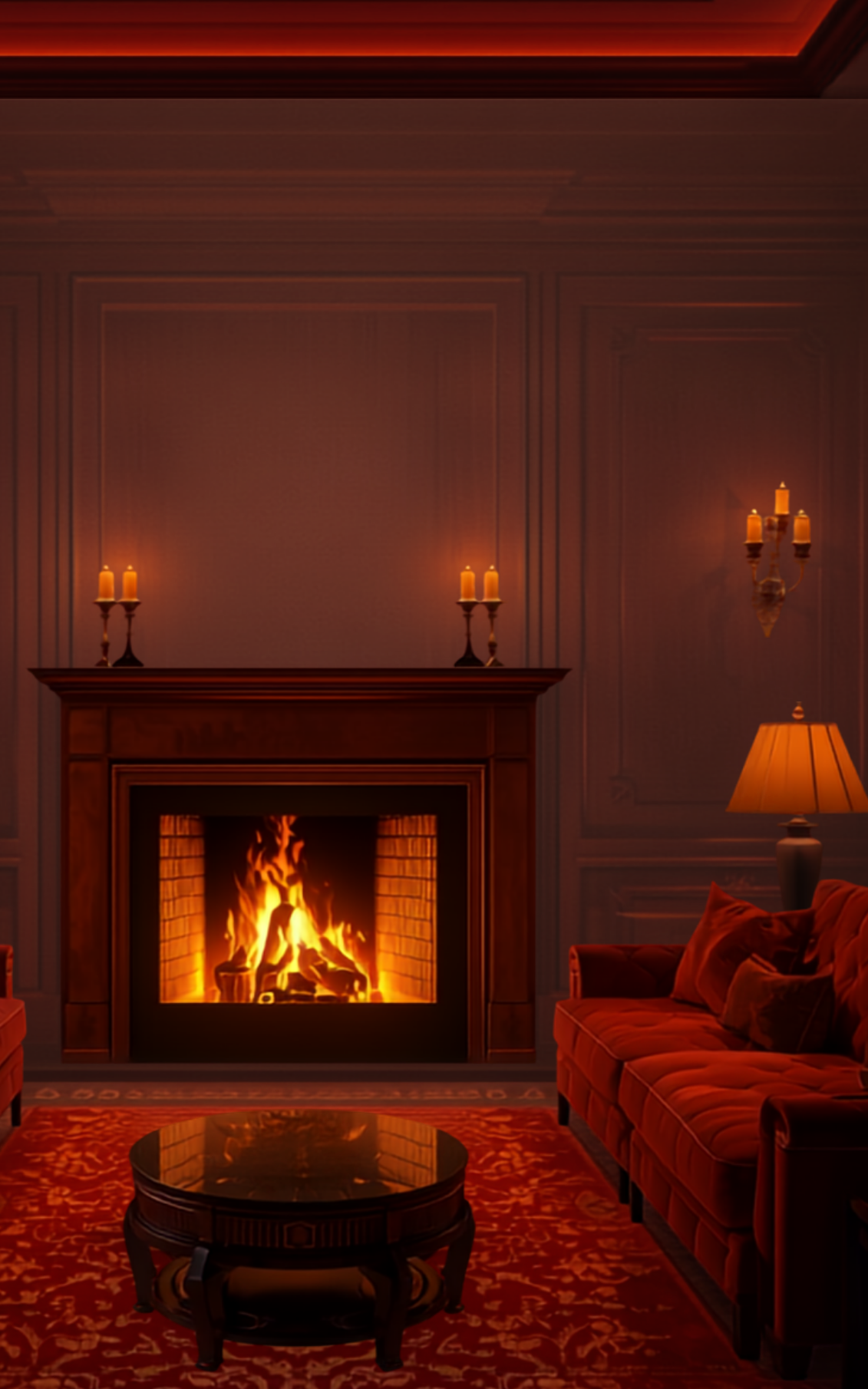
Fire is the quality of warmth, expansion, passion, expression, and connection.
In a space, Fire is expressed through reds, triangular, pointed, and pyramidal forms, and sources of light and warmth. Candles, lamps, sunlight, fireplaces, and warm illumination bring Fire into a space. Animal based materials such as leather, fur, and feathers, as well as the written word, are also associated with Fire.”
Fire brings animation, warmth, visibility, and energy to an environment.
Fire is associated with summer, the South, and the sense of touch. Traditionally, it corresponds with the Heart and Small Intestine, tongue, and blood vessels, and its emotional association is joy.
In life, Fire can show up through enthusiasm, communication, humor, sensuality, social connection, celebration, and emotional expression. Singing, gathering with others, speaking openly, celebrating, creative expression, and giving or receiving nurturing touch can all cultivate Fire.
Earth: Grounding & Nourishment
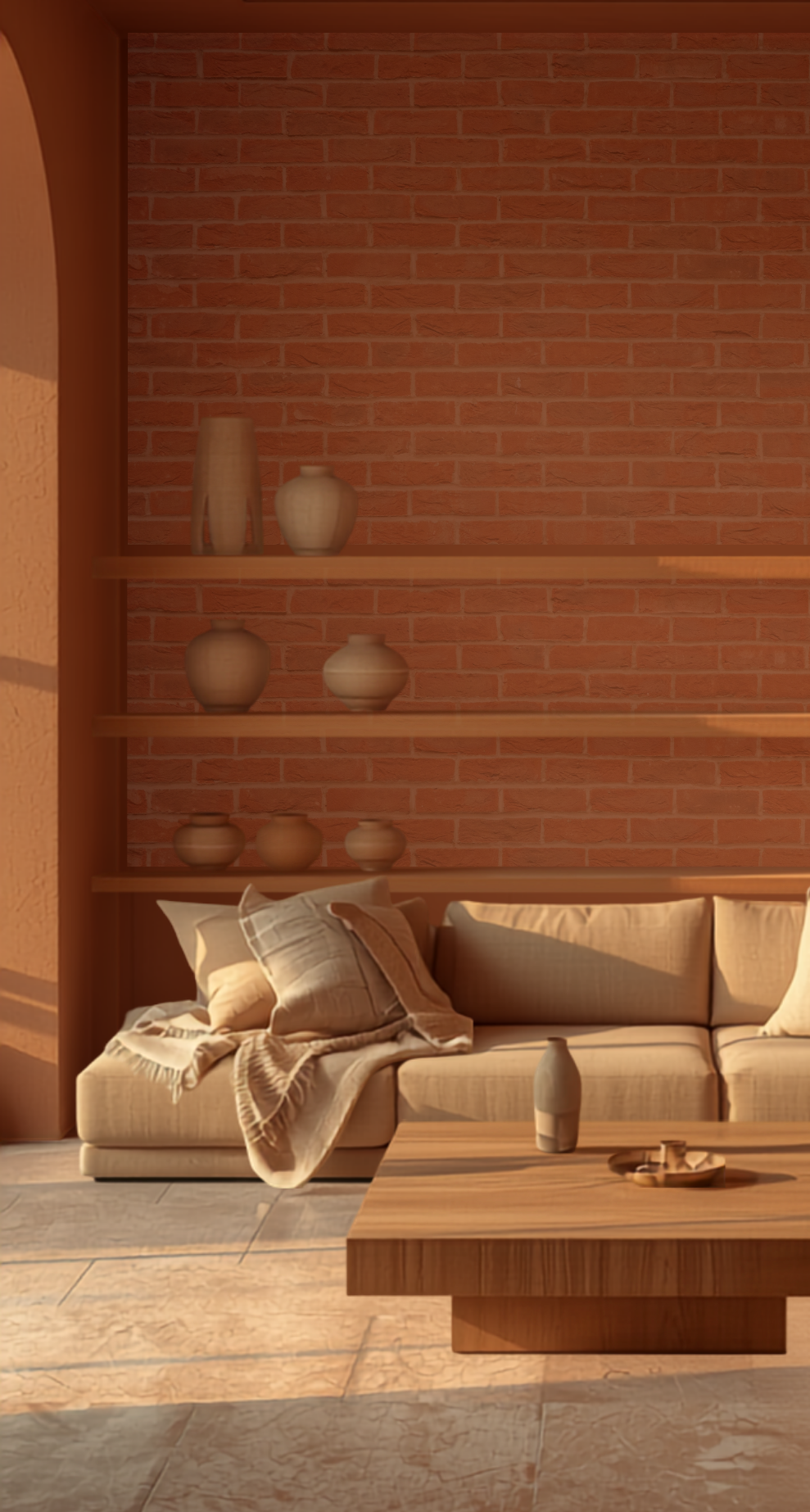
Earth is the quality of stability, nourishment, grounding, comfort, and belonging.
In a space, Earth is expressed through yellow and earth tones, square, rectangular, and horizontal forms, and materials that connect us to the ground. Ceramics, brick, tile, stone, adobe, and earthenware all bring Earth qualities into a space.
Earth creates a feeling of stability, support, comfort, and groundedness.
Earth is associated with the center, the transitions between seasons, and the sense of taste. Traditionally, it corresponds with the Spleen and Stomach, muscles, and the mouth, and its emotional association is pensiveness or worry.
In life, Earth can show up through caregiving, food, home, routine, hospitality, practicality, and creating stability for yourself and others. Cooking, eating, organizing,
Metal: Clarity & Discernment
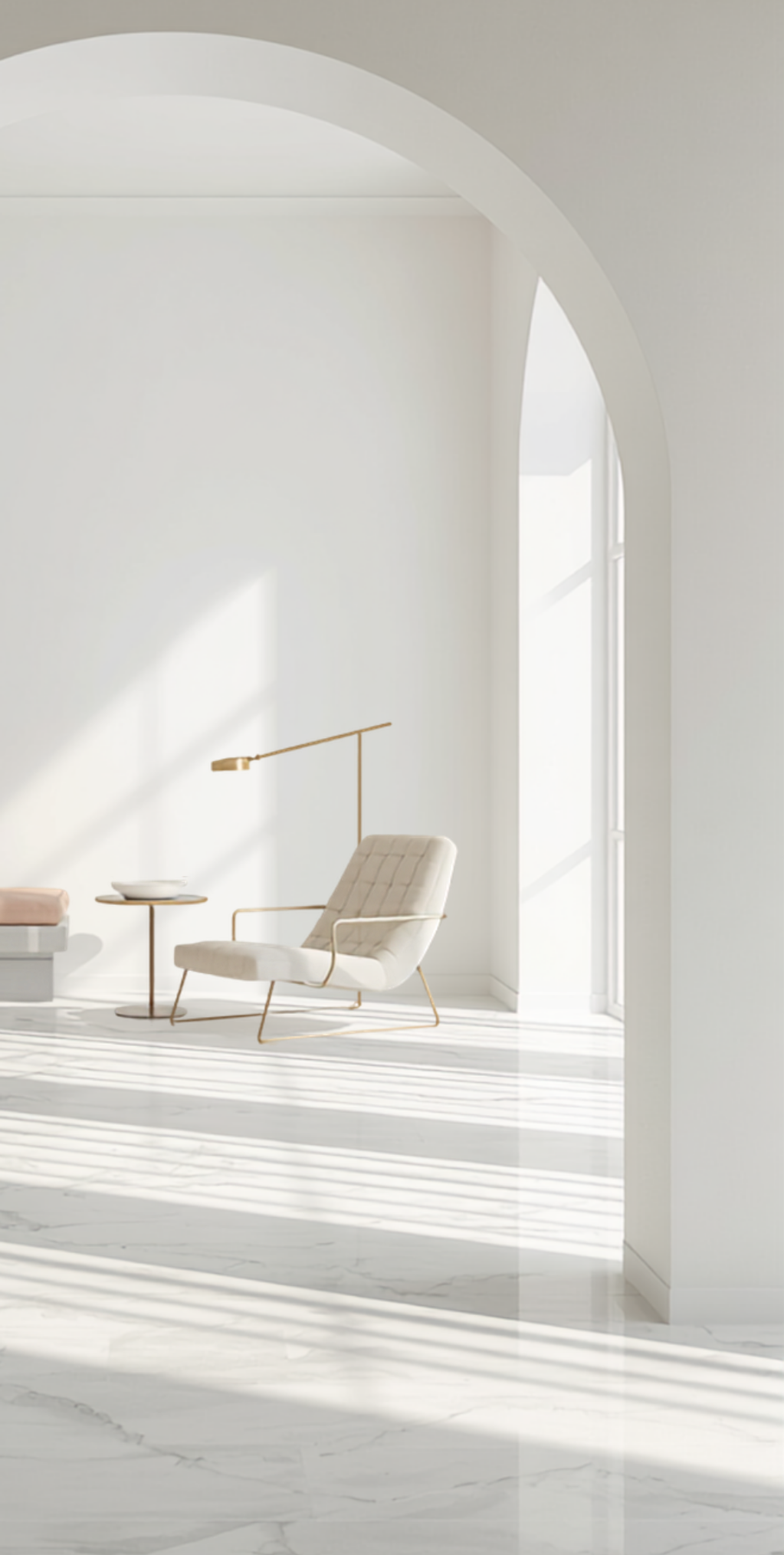
Metal is the quality of clarity, organization, precision, structure, boundaries, and refinement.
In a space, Metal is expressed through white and pastel tones, circular, oval, and arched forms, and refined, durable materials. Stainless steel, iron, copper, brass, silver, gold, marble, granite, and all natural stones and crystals are associated with Metal.
Metal brings focus, order, definition, and refinement to a space.
Metal is associated with autumn, the West, and the sense of smell. Traditionally, it corresponds with the Lungs and Large Intestine, skin, and nose, and its emotional association is grief or sadness.
In life, Metal can show up through logic, organization, standards, systems, editing, decision making, boundaries, and the ability to distinguish what matters from what does not. Reading, organizing, designing systems, developing a skill, refining an idea, and letting go of what is no longer needed can all cultivate Metal.
Water: Depth & Restoration
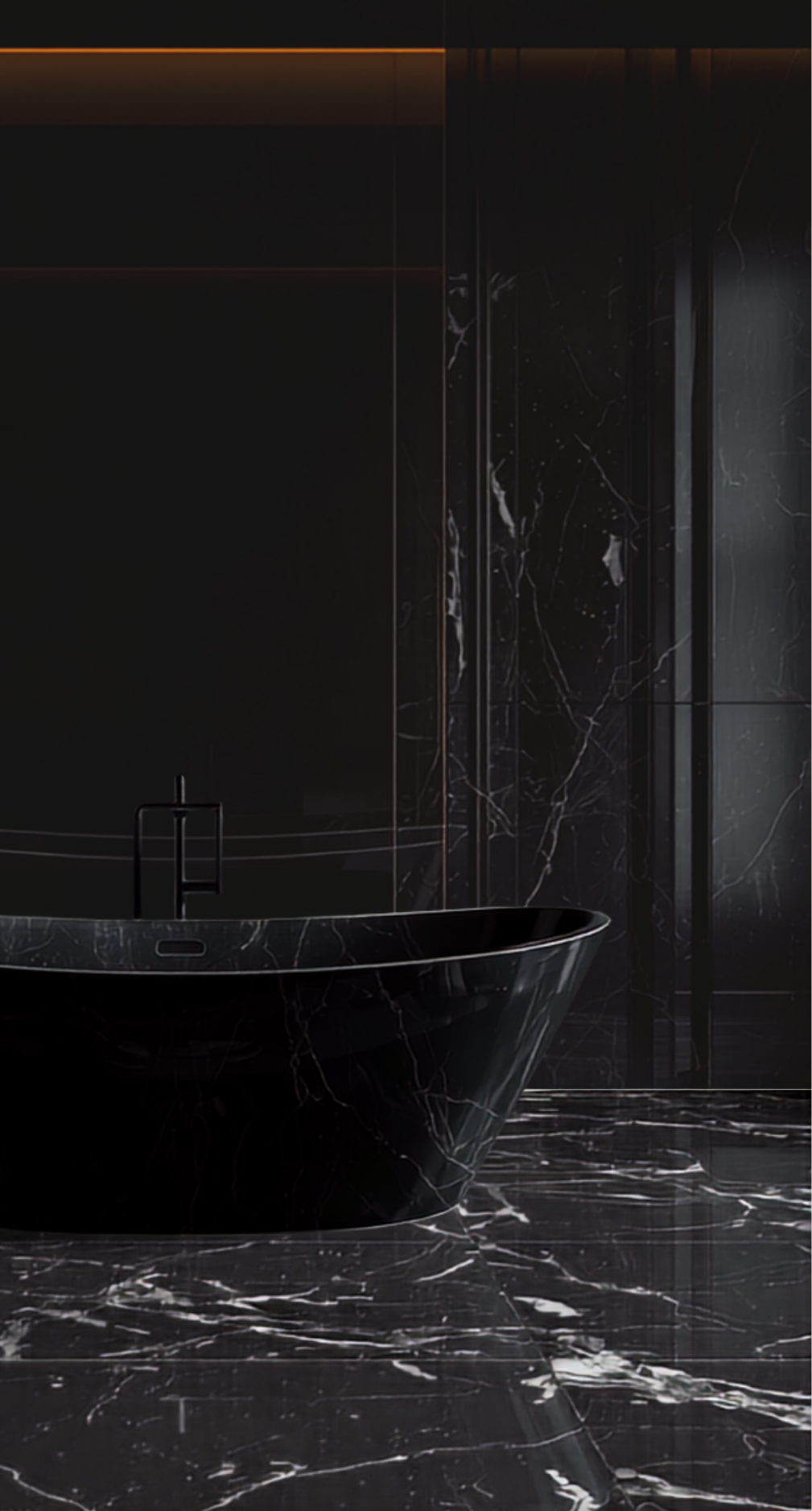
Water is the quality ofdepth, intuition, reflection, restoration, adaptability, and inner knowing.
In a space, Water is expressed through black and dark tones, flowing and asymmetrical forms, and reflective or fluid materials. Mirrors, glass, water features, and all reflective surfaces can bring Water into a space.
Water creates a feeling of quiet, depth, spaciousness, and restoration.
Water is associated with winter, the North, and the sense of hearing. Traditionally, it corresponds with the Kidneys and Bladder, bones, and ears, and its emotional association is fear.
In life, Water can show up through contemplation, imagination, solitude, meditation, rest, sensitivity, and an ability to sense what is happening beneath the surface. Swimming, bathing, spending time near water, meditation, solitude, rest, and creating quiet can all cultivate Water.
The Five Elements and the Bagua
The Five Elements are also woven into the Bagua, connecting elemental qualities with different areas of life.
Each of the Five Elements has a primary correspondence with one gua:
Wood: Health & Family
Fire: Fame & Reputation
Earth: Center
Metal: Children & Creativity
Water: Career
These mappings give us another layer for reading a space. The element associated with a gua can help inform the colors, forms, materials, and other qualities we introduce there.
[Read: The Bagua: A Map for Seeing Your Life Through Space]
Seeing the Elements in a Space
The Five Elements rarely appear in isolation.
A room might bring in Wood through plants and vertical forms, Fire through lighting, Earth through ceramics and stone, Metal through rounded forms and refined materials, and Water through mirrors or reflective surfaces.
The elemental qualities of a space can come through color, shape, form, material, light, sound, objects, and activity. Together, they create the character and feeling of a space.
Each element has its own qualities, yet the way those qualities come together is what creates the experience of the space. Some elements naturally support and nourish one another, while others create tension or provide a regulating influence. Yin and yang add another layer, bringing qualities of activity and stillness, expansion and containment, openness and quiet.
When these different qualities work together in balance, qi can move through a space with greater ease, creating a sense of harmony and coherence.