
Your Front Door: The Mouth of Qi
How energy enters your home, and what you welcome into your life
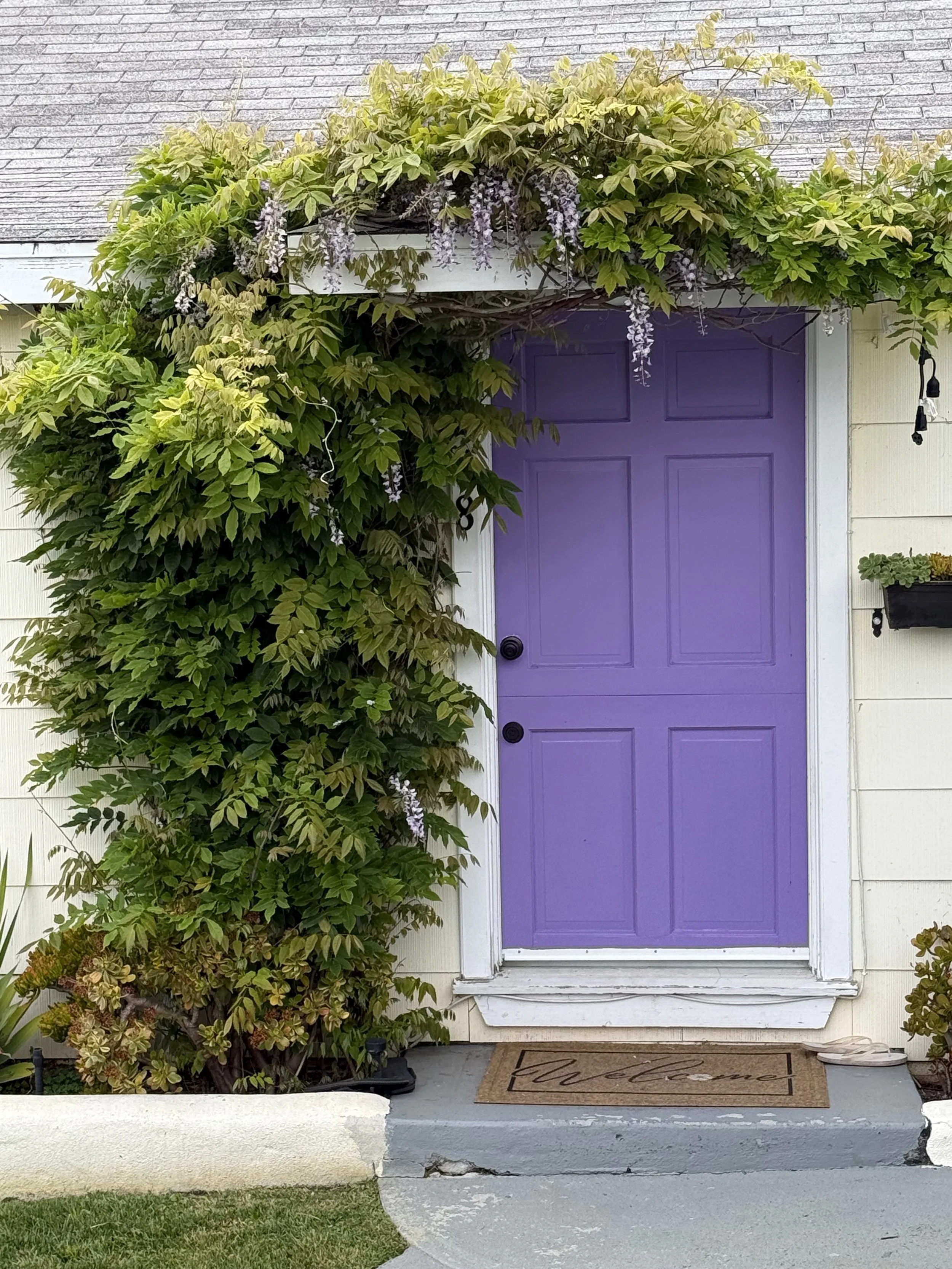
In many cultures, taking off your shoes at the door is a simple ritual of arrival. You leave the dust of the street behind. You step out of the outside world and into your home. The threshold marks a change.
You have arrived.
The front door is more than an entrance. It is the point where we move between worlds—outside and inside, public and private, the life we have been living and the life we are returning to.
In Feng Shui, the front door is known as the Mouth of Qi: the primary opening through which qi (pronounced chee), or vital energy, enters the home. This vital energy moves through people, spaces, and the natural world, shaping how we experience and interact with our environments. Because of this, the entrance is especially important and one of the first places I look when reading a space.
The architectural front door isn't always the door a household uses the most. Many people come and go through a garage, a side door, or a back entrance that opens onto a convenient part of the home. That doesn't make the formal front door any less important.
In the Feng Shui tradition that I practice, the front entrance is where the bagua is oriented over the floor plan. From there, we begin to understand how different areas of the home relate to different areas of life.
So the front door deserves attention. You don't need to make dramatic changes to influence the experience of your entrance. Often, small, intentional adjustments can change how a space receives and guides qi.
Here are 3 places to begin.
1. Clear the path
Start with the approach to your door.
Is the path open and easy to navigate? Can you see the entrance easily? What do you see when you enter? Look at what may have accumulated along the path and around the threshold. Remove what no longer belongs and create a clear, welcoming approach.
We experience our homes through our bodies. A dark, cluttered, or difficult entrance creates a very different impression than one that feels open, cared for, and easy to approach.
Before adding anything, see what can be cleared.
2. Refresh and enhance with intention
Once the path is clear, look closely at the entrance itself.
Is the door clean and well cared for? Does it open easily? Is the hardware working? Notice the small details too: a worn doormat, a house number that's hard to see from the street, peeling paint, or lighting that needs attention.
Repair, clean, or refresh what feels tired or neglected. Then consider what you want the entrance to express. A new color, plants, lighting, or another meaningful element can change the character of the threshold.
What do you want to feel when you arrive home?
Let that guide what you bring to the space.
3. Create movement and flow
Qi is dynamic. It moves through the landscape, across the threshold, and throughout the home.
Sound and moving water can help activate and shape qi at the entrance. A bell or chime introduces sound and vibration as you cross the threshold, while flowing water brings continuous movement and vitality. Artwork or an image that you love is another option. The goal is to create a sense of welcome and intention as energy enters your home.
Pathways, curves, plants, and thoughtful placement of objects can also guide qi naturally through the space, helping it move rather than become blocked or stagnant.
Notice how you actually enter and move through your home. Your daily patterns offer another layer of information about how qi moves through the space.
Begin at the threshold
Your front door is where the conversation between you and your home begins.
Before you change anything, pause there. Look at it. Walk through it slowly. Notice what you leave behind, and what you feel invited to bring in.
Sometimes a shift in the home begins with something as simple as changing the way we enter it.
