
The Five Elements in You
Discovering your elemental profile

The Five Elements give us a way to explore how different qualities of energy show up in our lives.
We all have Wood, Fire, Earth, Metal, and Water within us, although they may express themselves with different levels of strength.
Your assessment looks at the relative presence of each element and creates a profile of your current elemental balance. Your results are most useful when you look at the whole pattern, rather than focusing on any one score.
A Snapshot of Now
Our lives are always moving and changing, and our relationship with the Five Elements can change with us. Different stages of life bring different demands and experiences. A period of growth may bring Wood forward. A time of connection may bring Fire. A major transition may call for more Earth or Metal. A period of rest or reflection may bring Water to the forefront.
Some qualities may feel familiar throughout your life, while others may reflect what you are experiencing at this particular moment.
Your assessment is a snapshot of your elemental pattern now.
It isn't intended to define a permanent personality type. Your results may shift as your circumstances, priorities, and experiences change. There is no ideal score or ideal combination of elements. The value of the assessment is in understanding the pattern you have today.
For the most meaningful results, I recommend taking the Five Elements Assessment before reading further, so your responses reflect your natural experience rather than what you’ve learned about the Elements here.How to Read Your Scores
Each element receives a score between 24 and 120, with 72 as the midpoint.
The score gives us a sense of how prominently that element is expressing itself in your life right now. Yin and Yang help us understand the quality of that expression.
Scores below 72 generally indicate a more Yin expression of the element: quieter, more inward, receptive, reflective, or less active.
Scores above 72 generally indicate a more Yang expression: active, outward, expressive, visible, or influential.
A score closer to 72 suggests a more moderate expression.
Yin and Yang are complementary qualities. Both are necessary. We need activity and stillness, expression and receptivity, engagement and reflection. Yin and Yang describe the quality of an element's expression rather than making one score better or worse than another.
The most useful information comes from how your five scores relate to one another.
The Elements in You
Wood: Growth & Direction
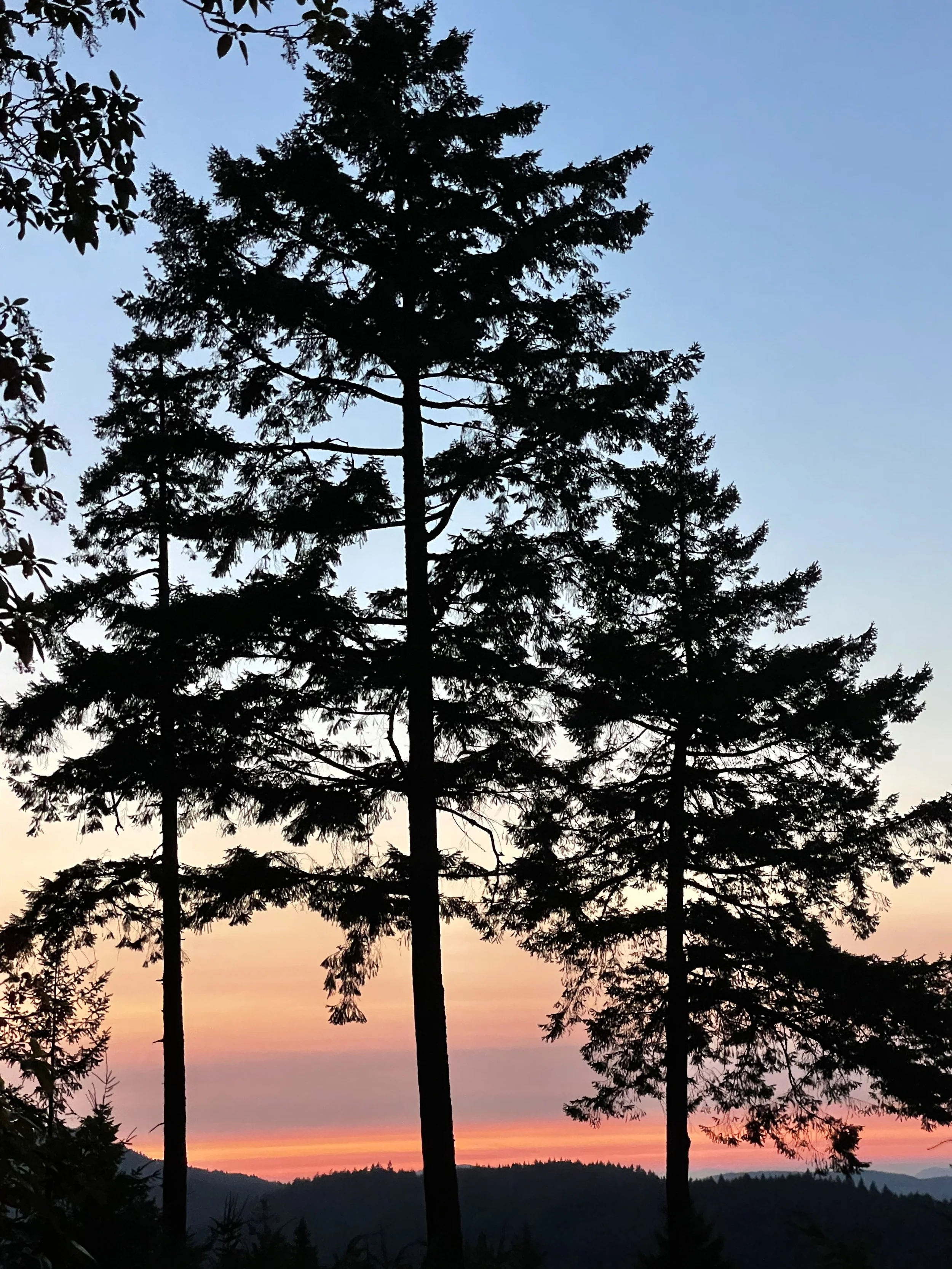
Wood brings growth, vision, movement, flexibility, and initiative.
Wood is traditionally associated with the Liver and Gallbladder, the eyes, and the tendons. Its sensory relationship is sight.
In your life, Wood may show up through curiosity, creativity, planning, learning, physical activity, leadership, and the desire to begin something new or move something forward.
A stronger Wood expression can bring momentum, imagination, and a natural orientation toward possibility. When overly active, its drive can become impatience, frustration, stress, or overwhelm.
A quieter Wood expression may mean taking longer to initiate or having less interest in constant change and activity.
Wood asks: Where am I growing, and where do I want to go?
Fire: Connection & Expression

Fire brings warmth, expression, passion, connection, and joy.
Fire is traditionally associated with the Heart and Small Intestine, the tongue, and the blood vessels. Its sensory relationship is touch.
In your life, Fire may show up through communication, enthusiasm, humor, sensuality, social connection, celebration, and emotional expression.
A stronger Fire expression can bring warmth and animation. When overly active, it can become scattered, overstimulated, or dependent on constant engagement.
A quieter Fire expression may favor intimate connection over social stimulation and more contained forms of expression.
Fire asks: What brings me alive, and how do I connect with others?
Earth: Grounding & Nourishment
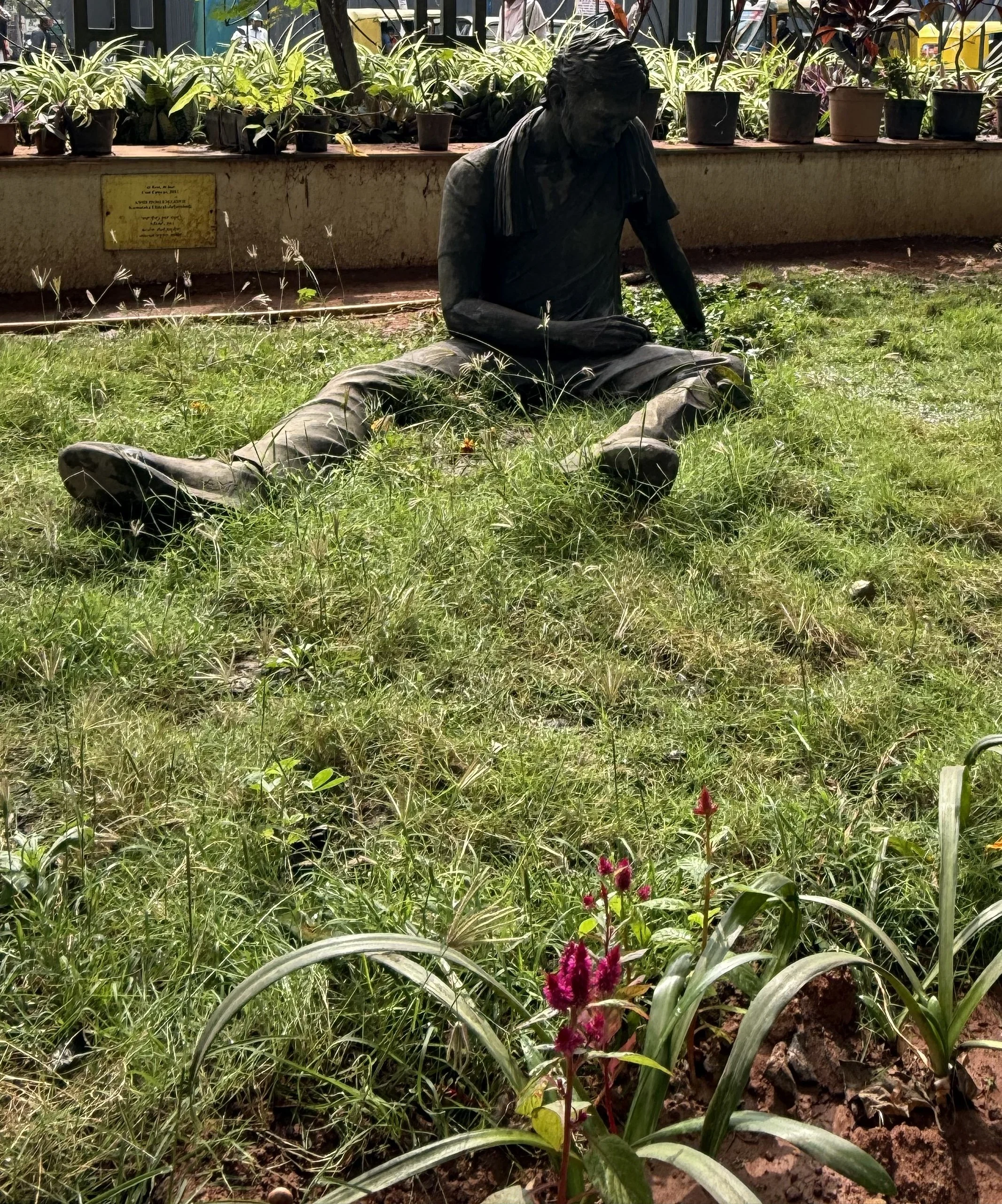
Earth brings stability, nourishment, belonging, comfort, and physical presence.
Earth is traditionally associated with the Spleen and Stomach, the muscles, and the sense of taste.
In your life, Earth may show up through caregiving, food, home, routine, hospitality, practicality, and creating stability for yourself and others.
A stronger Earth expression can create a natural desire for comfort, consistency, nourishment, and a sense of home. When overly active, stability can become stagnation, heaviness, or resistance to change.
A quieter Earth expression can make grounding, routine, nourishment, or physical stability more important to cultivate.
Earth asks: What supports me, and where do I feel at home?
Metal: Clarity & Discernment
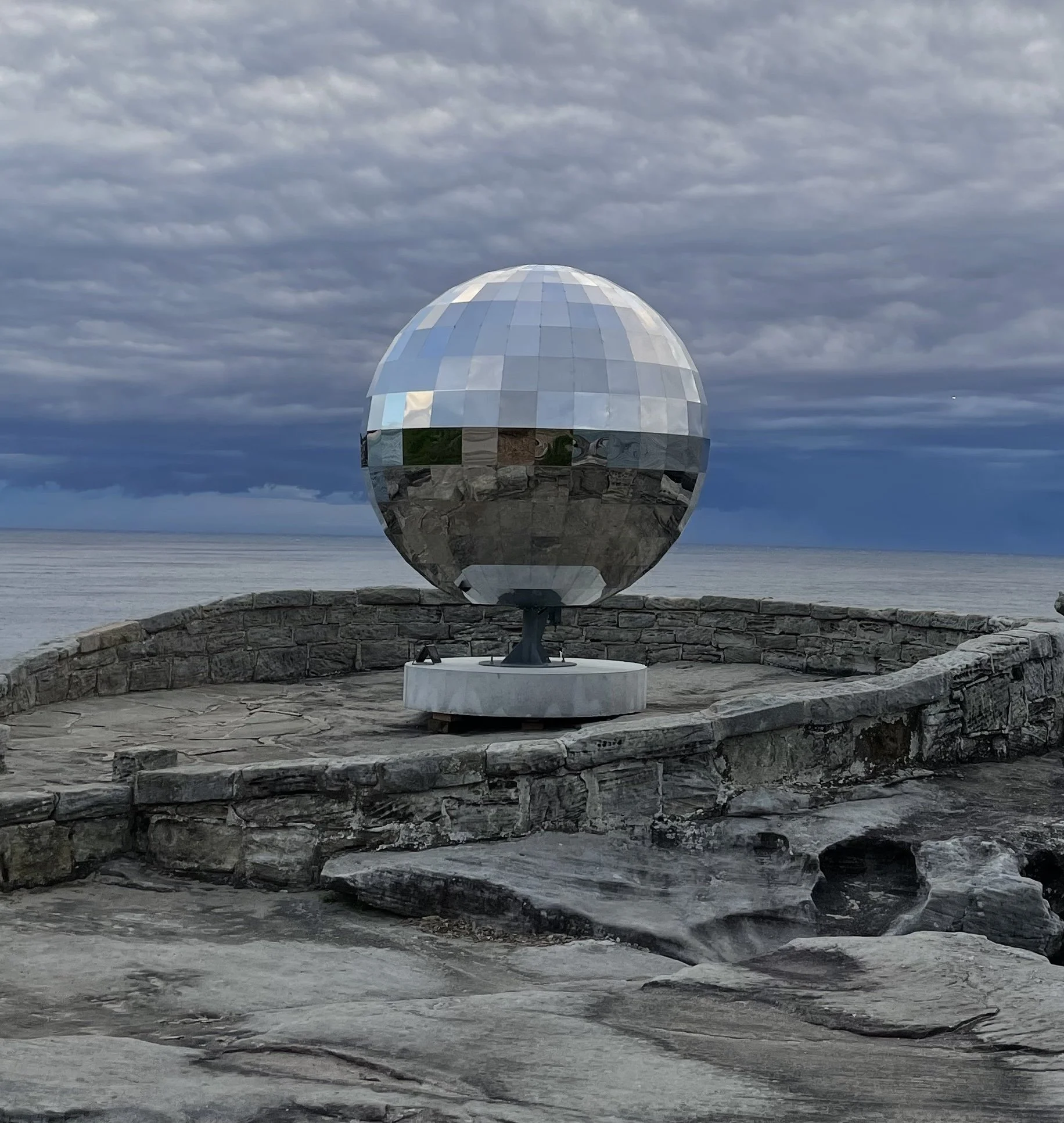
Metal brings clarity, organization, structure, precision, boundaries, and refinement.
Metal is traditionally associated with the Lungs and Large Intestine, the skin and nose, and the sense of smell.
In your life, Metal may show up through logic, organization, standards, systems, editing, decision-making, and the ability to distinguish what is important from what is not.
A stronger Metal expression can bring focus, discipline, precision, and clear standards. When overly active, clarity can become rigidity, perfectionism, criticism, or excessive control.
A quieter Metal expression may make organization, boundaries, or decision-making require more conscious attention.
Metal asks: What matters, and what am I ready to let go of?
Water: Depth & Restoration
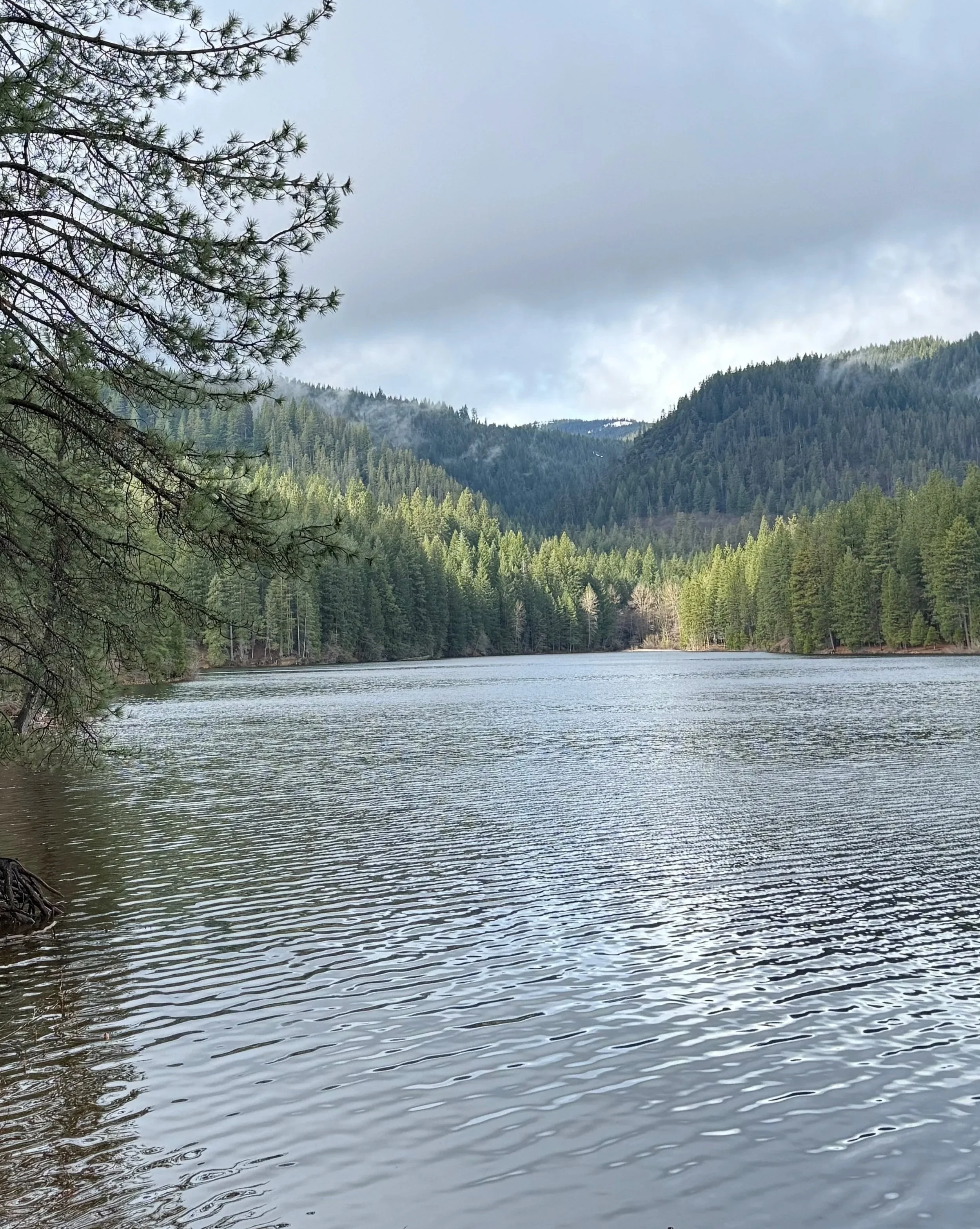
Water brings depth, intuition, reflection, restoration, adaptability, and inner knowing.
Water is traditionally associated with the Kidneys and Bladder, the bones, and the sense of hearing.
In your life, Water may show up through contemplation, imagination, solitude, meditation, rest, sensitivity, and an ability to sense what is happening beneath the surface.
A stronger Water expression can bring depth, insight, receptivity, and a natural ability to pause and reflect. When overly active, reflection can become withdrawal, indecision, isolation, or difficulty moving into action.
A quieter Water expression may make rest, solitude, listening, or reflection more important to cultivate.
Water asks: What is happening beneath the surface, and what do I need to restore?
Looking at Your Profile as a Whole
Your five scores become most interesting when you look at them together.
You may have a relatively even profile, one element that stands out, two particularly strong elements, or one that is considerably quieter than the others.
A Relatively Even Profile
When your scores are relatively close, you may have fairly easy access to a broad range of elemental qualities.
You may be able to move between initiating, connecting, grounding, organizing, and reflecting depending on what a situation requires.
Even with an even profile, circumstances can bring particular elements forward. At different times, you may want more Fire for connection, Water for restoration, or Wood for movement and growth.
When an Element Stands Out
When one element rises significantly above the others, its qualities may be particularly prominent in your current experience. This can be a significant strength, while also becoming a quality you rely on heavily.
Someone with strong Wood, for example, may be highly creative and forward-moving while finding it difficult to slow down. Someone with strong Metal may bring clarity and organization while having a harder time tolerating ambiguity.
A lower score points toward an element that is less prominent right now. The quality is still part of you; you may simply have less spontaneous access to it.
A quieter Earth might invite more grounding, nourishment, routine, or physical stability. A quieter Water might call for more rest, reflection, solitude, or listening inward.
What is your strongest element giving you? What might your quieter element be asking for?
When Two Elements Are Strong
Sometimes two elements stand out clearly above the others in your own profile. This creates a dynamic relationship within you.
The Five Element cycles help us understand how those qualities interact.
Wood feeds Fire. Strong Wood and Fire can create tremendous creative momentum: ideas become action, action becomes expression, and expression creates connection. At the same time, continually feeding Fire can deplete Wood.
Metal controls Wood. Together, they can create a productive relationship between growth and structure. Wood generates possibilities while Metal brings discernment and form. When the relationship becomes strained, Metal can feel restrictive to Wood.
Looking at these relationships can reveal something that a single score cannot: how the strongest qualities within you are interacting.
The Elements in Your Relationships
The same elemental relationships can also appear between people.
One person may naturally initiate, another may organize, another may stabilize, and another may bring energy and connection. These differences can complement one another, but they can also create friction.
A strongly Wood-oriented person may experience strong Metal as restrictive. A strongly Fire-oriented person may experience strong Water as dampening.
Someone with strong Wood may continually nourish a Fire-oriented partner, colleague, or family member, eventually feeling depleted themselves.
The Five Element cycles give us a language for understanding these dynamics — what nourishes, what depletes, what regulates, and what helps create greater balance between people.
Working With Your Elemental Pattern
Once you know your pattern, start noticing the elements in your everyday life.
What gives you energy? What restores you? What qualities do you naturally seek out, and which ones seem harder to access?
Look at your highest and lowest scores and ask yourself:
Where do I already experience this element in my life? Where could I use more of it?
You can intentionally engage an element through your lifestyle:
Wood: nature, movement, learning, growth
Fire: connection, expression, celebration, pleasure
Earth: nourishment, routine, home, grounding
Metal: organization, clarity, boundaries, refinement
Water: rest, reflection, solitude, intuition
Your environment can support these qualities as well. The colors, forms, materials, objects, sounds, and activities around you all contribute to the elemental experience of a space.
A Starting Point: From Within to Without
Your elemental profile is a snapshot of where you are right now — a starting point for exploring yourself with greater awareness.
As you become familiar with your pattern, begin to notice how it shows up in your life: in your body, your habits, your relationships, and the way you move through the world.
This awareness can also help you understand what you need from the world around you — the qualities your environment can provide to support greater balance, harmony, and wellbeing.
Your home and the spaces you inhabit are part of that conversation.